Governance

Advisory Board

Kids Engine is guided by leading educators, researchers, and scientists with expertise in STEAM education, engineering learning, computational thinking, informal learning, workforce development, and global program design, giving donors and partners confidence in how the work is led.

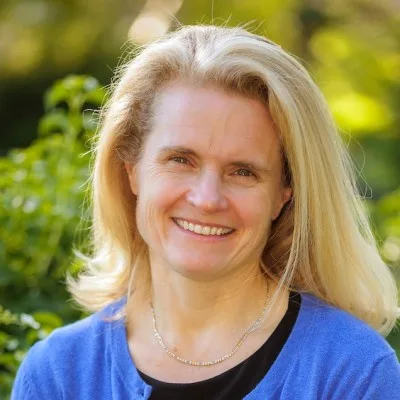
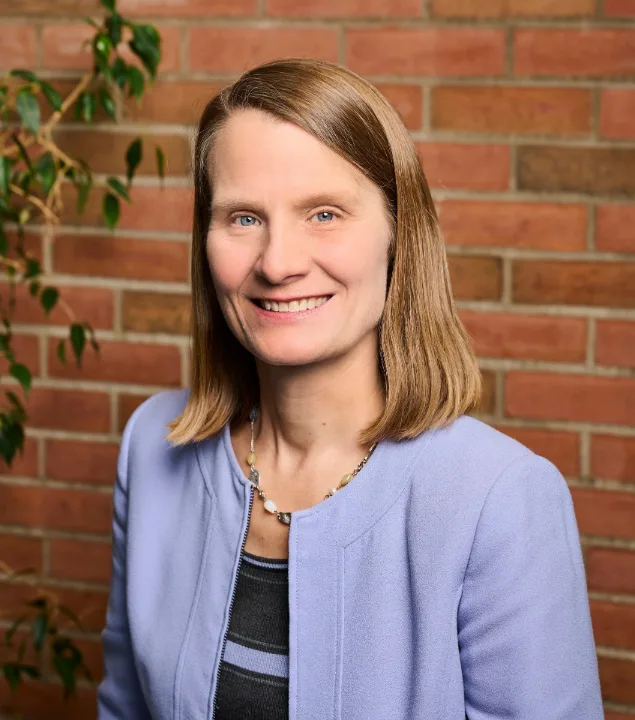
  • Dr. Christine M. Cunningham

    Dr. Christine M. Cunningham

    Chief Curriculum and Learning Officer, Museum of Science, Boston

    Dr. Christine M. Cunningham is the Chief Curriculum and Learning Officer at the Museum of Science, Boston, expanding preK–8 STEM education frameworks globally. As founding director of Youth Engineering Solutions (YES) and Engineering is Elementary (EiE), she develops research-based engineering curricula for classrooms and informal environments. Previously a Professor of Practice at Penn State, Christine is a National Academy of Education member, an ASEE Fellow, and recipient of the Harold W. McGraw Jr. Prize. She also serves on the National Assessment Governing Board and six National Academies committees.
  • Dr. Richard M. Levy

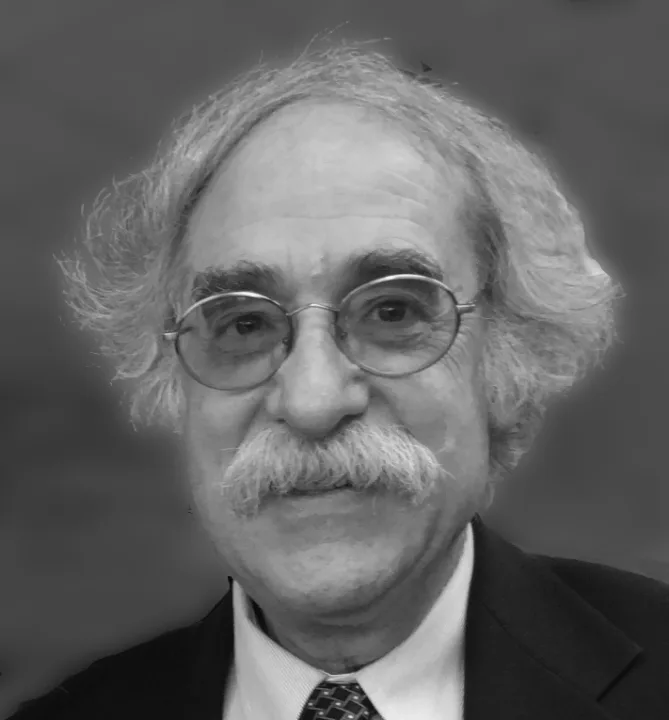
    Dr. Richard M. Levy

    Emeritus Professor of Planning, University of Calgary

    Dr. Richard M. Levy is a technology educator, researcher, and university instructor whose work has focused on the use of interactive digital media to support education in science, history, culture, and technology. He currently teaches in the College of Business at the University of Rhode Island and is Emeritus Professor of Planning in the School of Architecture, Planning and Landscape at the University of Calgary. Dr. Levy holds a Bachelor of Science in Civil Engineering from Tufts University and both a Master of Architecture and Ph.D. from the University of California, Berkeley.

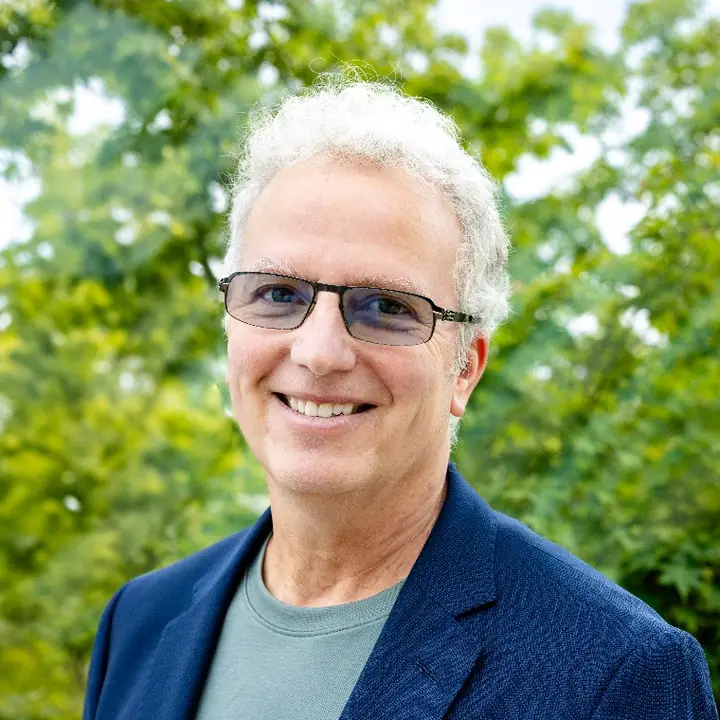
  • Dr. Filippo (Fil) Randazzo

    Dr. Filippo (Fil) Randazzo

    CEO and Founder, Leverage Science, LLC

    Dr. Filippo (Fil) Randazzo is a scientist with over 30 years of experience in leading science and technology from idea to impact. Fil is currently the CEO and Founder of Leverage Science, LLC, a consulting practice focused on helping philanthropies, companies, development banks, and universities identify big ideas across multiple sectors and turn them into reality. Prior to Leverage Science, Fil served as a Deputy Director at the Gates Foundation, where over a 12-year period he managed a diverse portfolio that spanned research, development, delivery, ethics, policy, health, and agriculture. Before his time at the Gates Foundation, he spent a decade in a variety of scientific and management roles at Chiron Corporation, a Bay Area biotech company.

  • Dr. Thomas Ball

    Dr. Thomas Ball

    University of Washington (USA) and Lancaster University (UK)

    Dr. Thomas (Tom) Ball, a 2011 ACM Fellow, co-founded the SLAM project and created the Windows Static Driver Verifier. Managing at Microsoft Research (1999–2025), he advanced automated theorem proving and software verification. Since 2015, he supported CS education by bringing the BBC micro:bit to market, establishing Microsoft MakeCode, and creating Jacdac. A Micro:bit Innovation and Research Lab co-founder, Tom creates apps with Lancaster University. He holds a UW–Madison Ph.D., formerly worked at Bell Labs, and is currently an Affiliate Faculty at the University of Washington and Honorary Professor at Lancaster University.

  • Dr. Quinn Burke

    Dr. Quinn Burke

    Deputy Director of Computational Thinking and Learning Pathways, Digital Promise

    Dr. Quinn Burke is Deputy Director of Computational Thinking and Learning Pathways at the national education non-profit Digital Promise, where his research examines integrating computational thinking (CT) into core school curricula. He partners with regional and national school districts, including the NYCDOE Office of Student Pathways, to develop inclusive K-12 computing pipelines aligned with New York Reads and Solves. Supported by state, federal, and Robin Hood grants, his work includes numerous articles and two co-authored MIT Press books on K-12 coding and digital gaming.

  • Dr. Meredith Thompson

    Dr. Meredith Thompson

    Program Manager, Workforce Development, MIT

    Dr. Meredith Thompson is a Program Manager and Educational Specialist designing technology-enabled STEM and workforce development initiatives. She brings a systems-level approach to managing cross-functional teams across academia, industry, and government. A former educator at MIT, Boston University, Harvard, and Tufts, she has led federally funded, multi-year programs spanning curriculum design and immersive technologies like VR/AR. Meredith has co-authored research on simulation-based learning and contributed to large-scale initiatives like MIT's Full STEAM Ahead and Tufts' Chemistry Organized Outreach, expanding access to high-quality STEM programs.

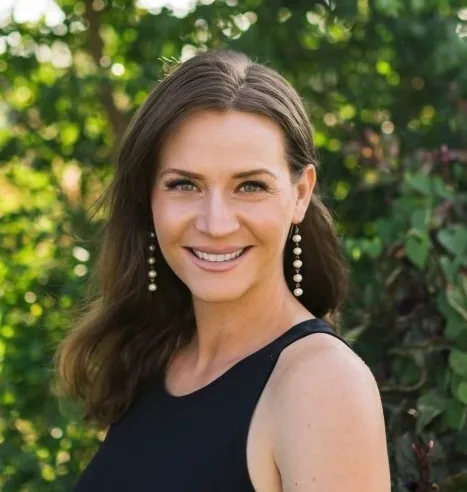
  • Dr. Natalie Perez

    Dr. Natalie Perez

    Senior Research Scientist, T-Mobile

    Dr. Natalie Perez is a research scientist and educational technologist specializing in learning design, AI integration, and organizational psychology. Currently, she serves as a Senior Research Scientist at T-Mobile, applying mixed-methods research to evaluate artificial intelligence integrations and global workforce development strategies. Previously, she worked as a Senior Research Scientist and Senior Instructional Designer for Amazon and Amazon Web Services (AWS), utilizing learning theories to engineer data-driven training programs for technical learners. Recognized by the Learning Guild's "Thirty Under 30" cohort, Dr. Perez is a leading voice in learning and development.

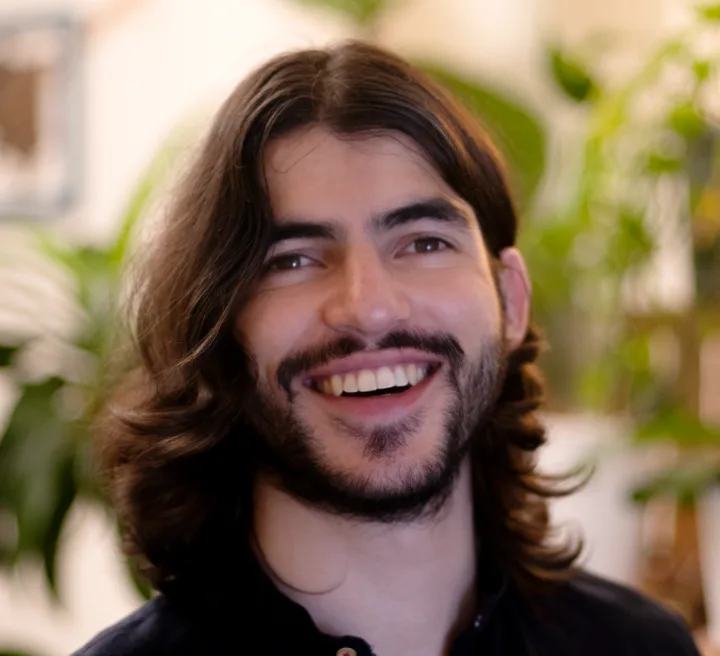
  • Dr. Rolando Masís-Obando

    Dr. Rolando Masís-Obando

    Computational Neuroscientist, Johns Hopkins University

    Dr. Rolando Masís-Obando is a computational neuroscientist, filmmaker, and futurist at Johns Hopkins University whose research explores how memory, context, and the mental models we build shape the way we perceive and remember our experiences. Dr. Rolando received his Ph.D. in Computational Neuroscience from Princeton University and his B.S. from Yale University. He also co-organizes the Future Realities conference series, which convenes researchers, artists, entrepreneurs, policymakers, and technologists to examine how advances in AI, extended reality, neuroscience, and related technologies are transforming the future of human experience, work, truth, and shared reality.